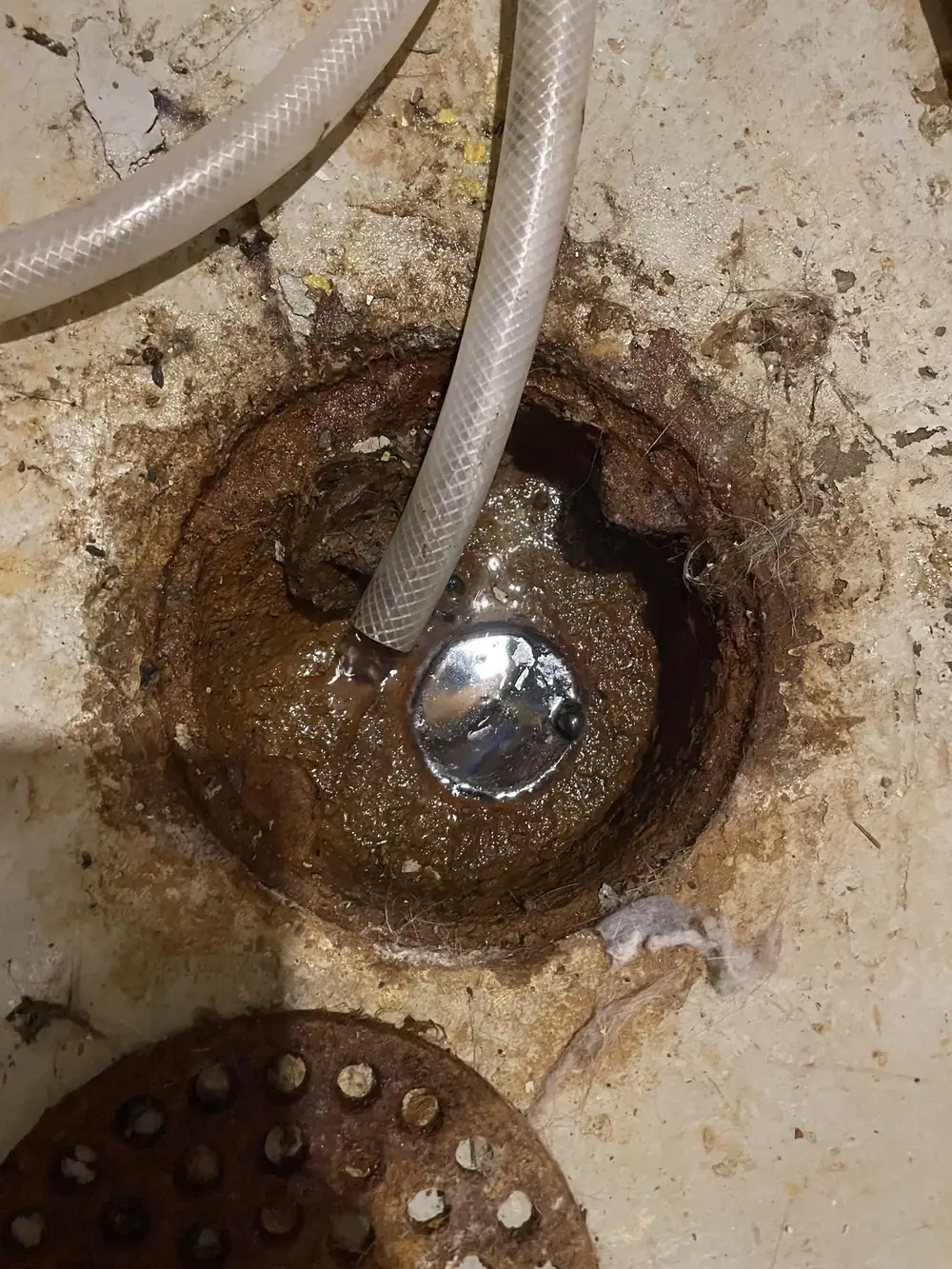
What are the signs of a slab leak in a Chesterfield, MO home? Warm spots on the floor, a water bill that climbs without reason, the sound of running water when nothing is on, new cracks in walls or flooring, and damp or lifting floor coverings. Any one of these deserves attention; two or more deserve a detection visit this week.
Sign 1: A Warm Patch on the Floor
Hot water lines run under many West County slabs, and when one leaks, the floor above it becomes a low-grade heating pad. Homeowners usually discover it barefoot, in a room with no heat source, in a season when the floor should be cool. That warm stripe is the single most distinctive slab leak sign, and it comes with a location attached: right where the detection equipment will confirm it.
Sign 2: The Water Bill That Climbs Quietly
Household habits steady, guests hypothetical, and the bill still jumps? Water is going somewhere. Under-slab leaks are a classic destination because they are invisible and constant. A simple meter test, watching the low-flow indicator with everything off, confirms in minutes whether water is moving when it should not be.
Sign 3: You Hear Water When Everything Is Off
Hissing, trickling or a faint tank-refill sound at 2 a.m. with every fixture closed is the acoustic signature of a pressurized leak. Our detection work starts with your ears: the sound narrows the search long before the listening gear takes over, and the slab leak repair team carries the acoustic equipment to turn that sound into a coordinate.
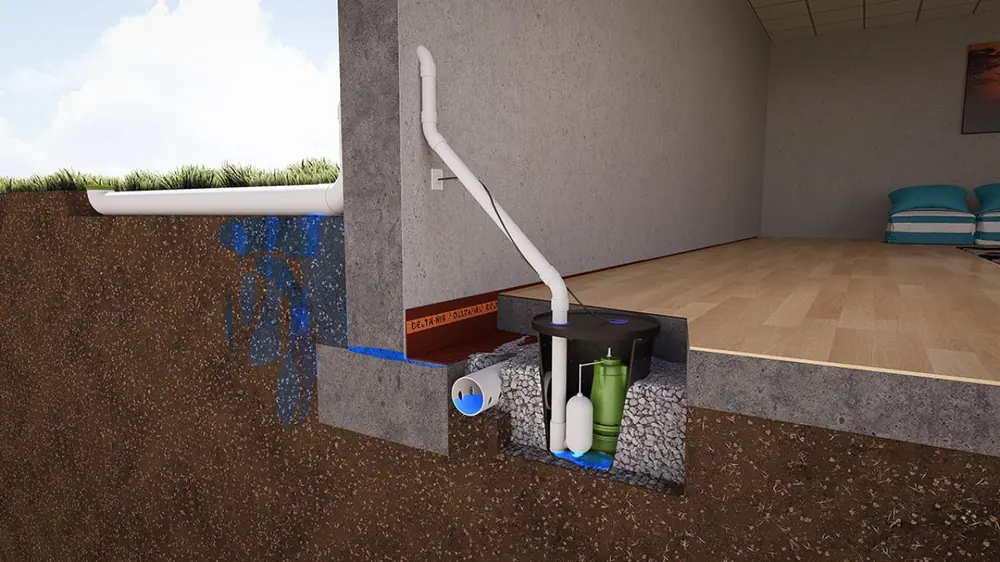
Sign 4: New Cracks, Damp Spots or Lifting Floors
Moisture migrates. Hairline cracks stay damp, baseboards darken, wood floors cup, and tile grout takes on a musty smell that cleaning never quite removes. By the time flooring shows it, the leak has been running a while; the repair conversation is the same, but the restoration scope is larger. Clay-heavy regional soils make this worse, swelling and shrinking with the seasons and loading buried lines at their joints.
Sign 5: Low Pressure With No Other Explanation
A pressurized leak steals flow where the pipe is broken. If one side of the house showers weaker than it used to, and fixtures are clean and open, pressure isolation testing will tell you whether a slab run is the thief. Sometimes what looks like a pressure problem turns out to be a leak problem in disguise.
What Detection Looks Like (Before Anyone Touches Concrete)
Modern slab leak detection is an electronics job: acoustic listening narrows the sound, isolation testing confirms which line, and pressure mapping finishes the triangulation. You get a mark on the floor that means something before any demolition is discussed. The repair options, spot fix, reroute above slab, or re-pipe the run, come after the location is confirmed, each priced in writing. Homeowners who call at sign one or two almost always get the small, boring repair; the sign-four crowd meets our restoration recommendations too.
The Local Pattern
Chesterfield slabs split into two eras: copper lines from the 60s through 80s that thin and stress at fittings, and newer PEX-on-slab builds whose fittings and manifolds lead the failure list. Both fail quietly, and both reward early calls. If your spider sense says something is off under that floor, trust it enough to spend one diagnostic visit finding out.