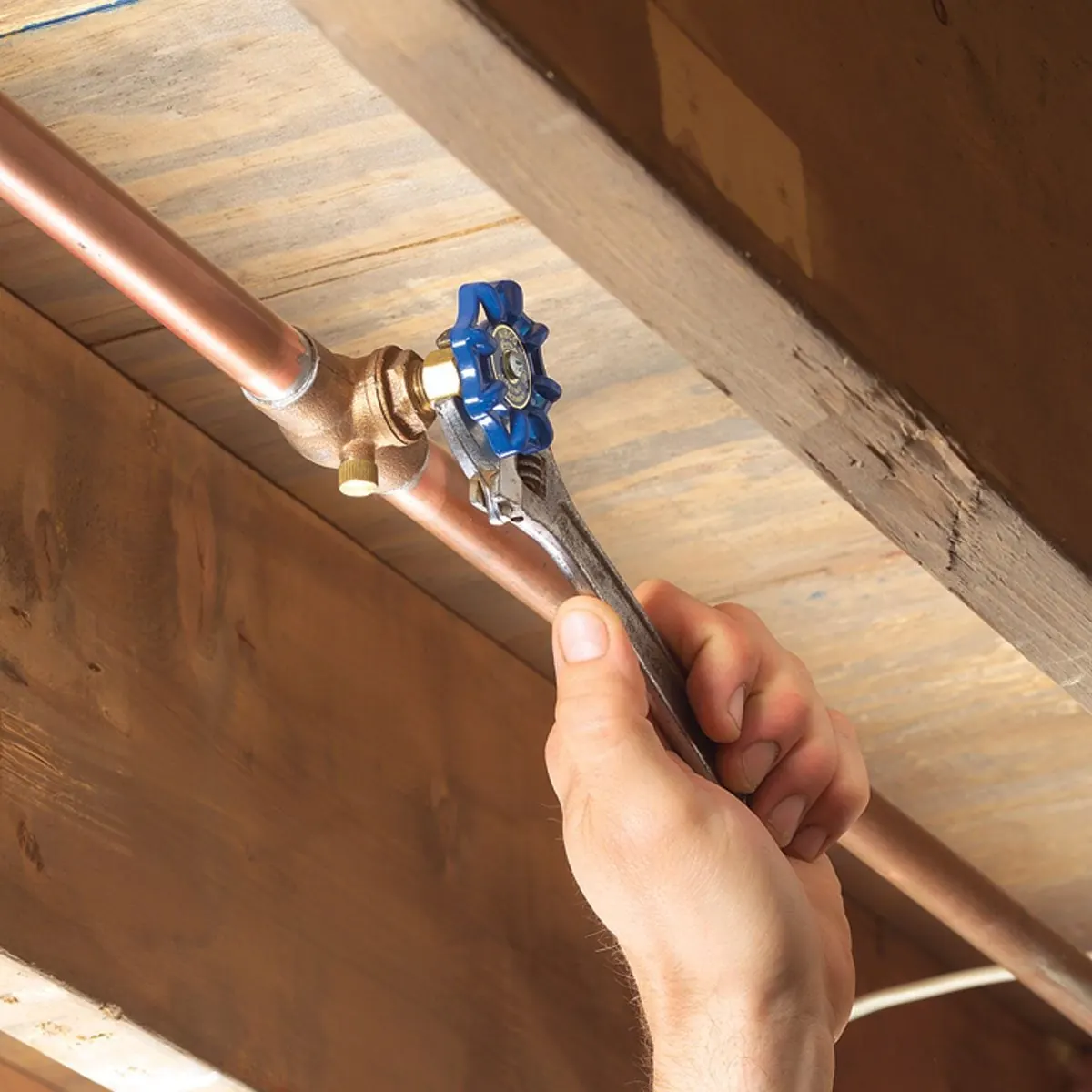
How do you shut off the main water valve in a Chesterfield home before a burst pipe floods the basement? You find the valve now, while everything is calm, and you turn it clockwise until it stops. That two-minute skill is the difference between a $250 pipe repair and a five-figure restoration bill, and it takes one walk around the house to learn.
Why This Matters More in Chesterfield Than You’d Think
Chesterfield housing spans six decades of construction styles, and each generation put the shut-off somewhere different. Homes built in the 1960s and 70s east of Clarkson Road often have a valve near the water heater or softener. Newer subdivisions route mains through mechanical rooms with clearly tagged valves. Estate properties with long service runs sometimes isolate at multiple points, which is good news once you know which one does what.
When a supply line fails, every faucet you open elsewhere becomes a drain for the water still coming in. Closing the main stops the supply, and the repair conversation starts from a dry floor instead of a flooded one. The EPA estimates that the average household’s leaks can waste more than 9,300 gallons a year, per EPA WaterSense’s Fix a Leak Week; a burst line wastes that in an afternoon.
Where to Look: Three Common Locations
1. Basements and utility rooms
In homes with basements, the main usually enters through the foundation on the street side. Follow the pipe from the water meter direction: you will find either a round handle (gate valve) or a lever (ball valve) on the cold line before the water heater. This is the most common setup in Chesterfield’s established neighborhoods.
2. Slab homes and mechanical closets
Slab construction hides the incoming line until it surfaces, usually in a utility closet, garage wall or laundry area. Look for the valve on the vertical riser where the line comes out of the floor. If the builder tagged valves, the one labeled “main” or “house” is yours.
3. The meter pit at the street
When the house-side valve cannot be found or will not turn, the meter pit in the parkway strip out front is the fallback. It needs a meter key or pliers, and the curb stop belongs to the water utility’s side of things, so use it when you must and tell us; a seized curb stop is worth knowing about before the emergency, not during it.
How to Close Each Valve Type
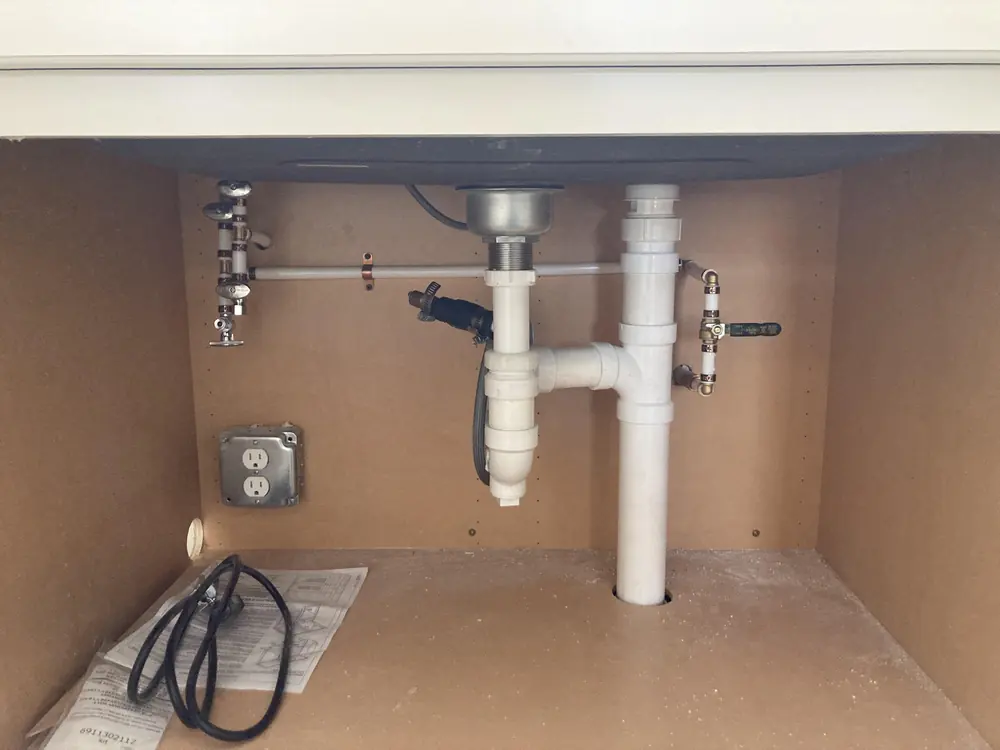
- Gate valve (round handle): turn clockwise until firm. If it has not moved in years, work it gently now; a valve that freezes open is a problem you want to discover on your schedule.
- Ball valve (lever handle): the lever sits parallel to the pipe when open and perpendicular when closed. One quarter turn. These rarely seize, which is why we install them during repipes.
- After closing: open a low faucet, like a basement tub, to relieve pressure and drain what remains in the lines.
What to Do Right After the Water Stops
Close the valve, open that low faucet, and then call. Our emergency plumbing team answers around the clock and can coach the next steps while a truck rolls. If the failure is a burst line, the burst pipe repair crew will pressure-test neighboring runs before walls get closed, because one freeze failure usually has friends. Photograph everything before you start moving belongings; insurance adjusters love timelines and hate guesses.
Make It a Habit, Not an Emergency Skill
Twice a year, when clocks change, exercise every shut-off in the house: main, fixtures, spigots. Ten minutes, no tools. Homeowners who do this almost never meet us at 2 a.m. for a flood, and the ones who do meet us tell us the same story afterward: “I always meant to find that valve.”