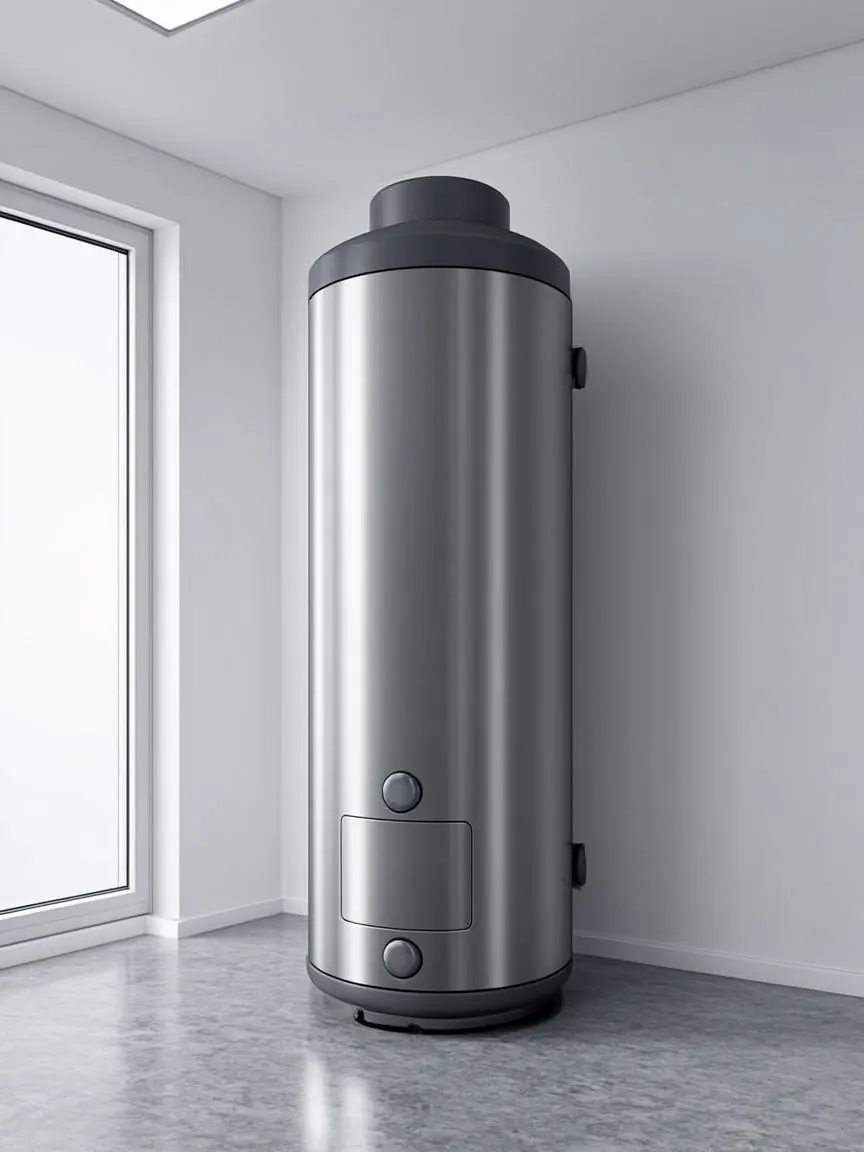
Which water heater rebates and tax credits still apply in Missouri in 2026? The short version: the federal Energy Efficient Home Improvement Credit (Section 25C) expired at the end of 2025, so the familiar $600 federal claim is gone for equipment installed this year. What remains is a patchwork of utility efficiency programs and product-level value, and this guide maps it honestly.
What Ended, Precisely
Through the end of 2025, homeowners could claim 30 percent of project cost up to $600 for qualifying high-efficiency water heaters (gas storage at 0.81 UEF or better for tanks under 55 gallons, 0.86 for larger tanks, and 0.95 UEF for tankless gas), per the same ENERGY STAR page. If your installation happened in 2025 and qualified, that claim belonged on the return you are filing for that tax year. For 2026 installations, do not let anyone promise that credit; the window closed.
What Still Exists in 2026
Utility efficiency programs
Ameren Missouri runs residential energy efficiency programs with incentives on qualifying products and upgrades, per Ameren’s efficiency program pages. Program line items change seasonally, so the utility’s current page, not a blog (including this one), is the source of truth for what pays this quarter. When we quote an efficiency upgrade, we check the live program list as part of the visit.
Manufacturer and retailer promotions
Equipment makers and suppliers run seasonal rebates on high-efficiency tanks, tankless units and heat pump water heaters. These are real dollars but short windows; the model’s promo page and the quote we print will agree or we will say why.
The quiet rebate: operating cost
The least glamorous incentive is the one that compounds monthly: a high-efficiency tank uses measurably less energy than a standard unit (ENERGY STAR notes certified gas storage models use at least 8 percent less), per ENERGY STAR’s gas water heater factsheet, and a right-sized tankless stops standby losses entirely. Utilities never cut a check for that one, but the utility bill does, every month for the life of the unit.
How to Check What Applies to Your Project
- Start with the utility’s current program page for your fuel (gas or electric) and note submission windows and paperwork.
- Ask for the model’s efficiency rating (UEF) on the quote; programs key off the rating, not the brand.
- Verify any promo window against your installation date, not your purchase date.
- Keep the invoice and AHRI/model numbers; every program that survives asks for both.
Where the Money Actually Makes Sense in 2026
If your tank is healthy and young, the best rebate is the one you skip spending: flush it annually and let it work. If the unit is aging out, replace with the most efficient unit the budget honestly allows, sized to your household, and treat utility incentives as a bonus rather than the deciding factor. Our tankless installation and water heater replacement teams quote efficiency honestly, including the tank versus tankless math, so the decision stands on its own merits with or without a promo season.
Paperwork That Makes Any Claim Smooth
Whatever program you chase this year, the claim rises or falls on four documents, so gather them before the truck arrives. First, the detailed invoice: model and serial numbers, the efficiency rating, purchase and installation dates, and the installing company’s license information, all on one page. Second, proof of fuel type, because programs split by gas versus electric and a mismatch voids the application. Third, photographs of the installed unit with the rating plate visible; reviewers ask for them more often than homeowners expect. Fourth, the program’s own form completed with the same spelling of your address that appears on the utility account, because data-matching hiccups stall more claims than eligibility ever does. Submit inside the stated window rather than the week it closes, keep copies of everything, and calendar a follow-up if confirmation has not arrived within the published review period. None of this is difficult; it is simply the difference between a rebate that pays in weeks and one that dies in a queue.Timing matters more than most shoppers realize. Efficiency promotions cluster around heating season and around major equipment launches, and utility program budgets sometimes refresh on their own cycles rather than the calendar year. If your tank is aging but not failing, asking about current programs a season before your planned replacement window costs nothing and occasionally converts a maybe into a meaningful discount. If the tank is actively failing, buy the right unit now and treat whatever paperwork applies as a bonus rather than a reason to wait.