Why does your drain smell like sewage when the bathroom is otherwise clean? Three causes cover almost every case: a dry P-trap, a clogged or blocked vent stack, or a problem in the sewer line itself. Each has a distinct fix, and one of the three deserves a professional camera, not a bottle of deodorizer.
Cause 1: The Dry P-Trap (Easy Fix)
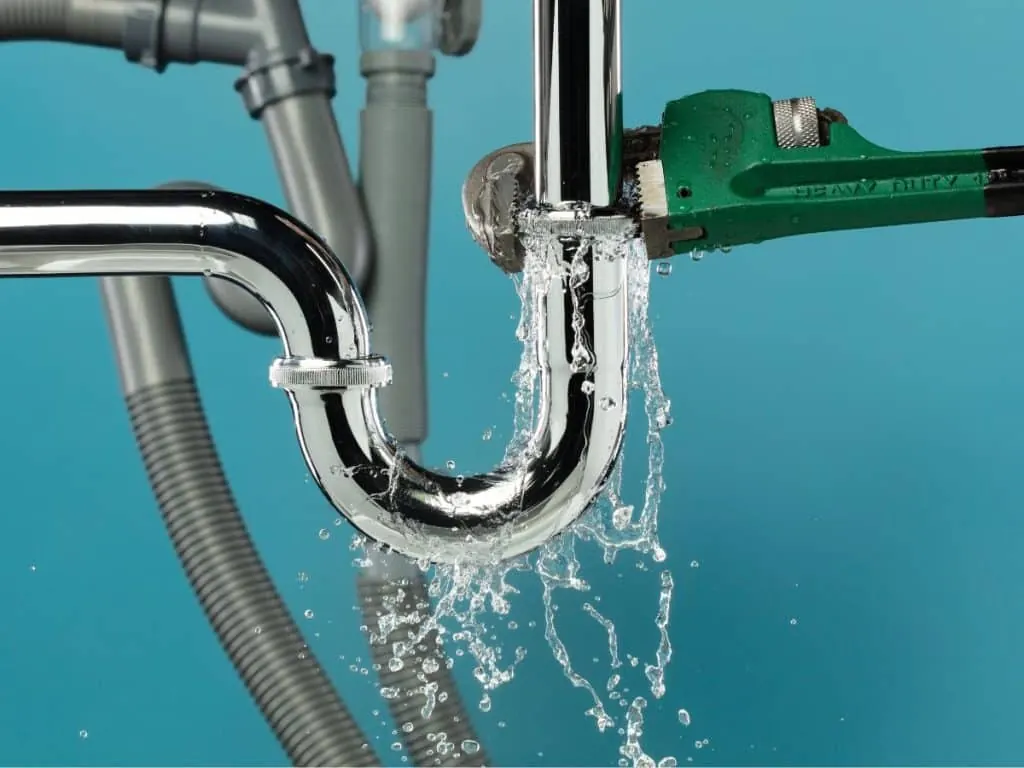
Every fixture drains through a U-shaped trap that holds a plug of water, sealing sewer gases out of the room. Fixtures that sit unused, guest baths, basement showers, the bar sink, evaporate that seal in a few weeks. The fix is embarrassingly simple: run the water for a minute each week, or after any trip. If a trap dries out constantly or the fixture is used daily and still stinks, the trap may be siphoning due to a venting issue, which hands the baton to cause two.
Cause 2: The Vent Stack (Diagnosis Required)
Drain pipes need air behind the water to vent sewer gases up through the roof. When a vent stack clogs, birds’ nests, leaves, ice in cold snaps, the drainage gulps, gurgles and pulls water out of traps by siphon. The symptom pattern is distinctive: gurgling as other fixtures drain, odors that wander between rooms, slow drains that clear and return. Roof-level vent work is not a DIY item for most homeowners; our drain cleaning team diagnoses venting problems from the fixture side and can camera the system before anyone climbs a ladder.
Cause 3: The Sewer Line (Camera Warranted)
Odors that persist through trap refills, especially outdoors near the lateral path or in multiple bathrooms at once, point to the line itself: a cracked pipe venting under the yard, a partial blockage pushing gases past dry traps, or a belly holding waste. This is where guessing gets expensive. A sewer camera inspection shows the pipe’s actual condition on screen, and if the line needs help, the sewer repair conversation starts with footage instead of folklore.
What Not to Pour Down There
Resist the gallon jug of chemical deodorizer and the harsh drain foam. They mask smells for a day, add heat-generating chemicals to pipes that may already be compromised, and complicate any professional work that follows. Enzyme-based maintenance products are the gentle option for grease-film odor in kitchens; everything else benefits from diagnosis first. Our guide to why drain cleaners damage pipes covers the chemistry in detail.
The Safe Fix Sequence
- Refill every trap: sixty seconds of water per fixture, including the floor drain in the basement.
- Sniff-test by room: one room means fixture or vent; the whole house means the line or the main stack.
- Check the floor drain trap: basement floor drains evaporate quietly; a pitcher of water down them monthly is prevention.
- Escalate to cameras: persistent odor after traps are full deserves the inspection, not another candle.
When Sewer Odor Is an Emergency
One distinction matters: sewer gas from a dry trap is a nuisance, but a gas-smell emergency (natural gas, not sewer odor) is a leave-the-house-and-call-your-gas-utility situation. Sewer odor smells like rot and sulfur; natural gas gets an additive that smells like rotten eggs too, so if you are unsure which you are smelling, treat it as gas, leave, and call the utility first. We would rather be your second call than your only call.