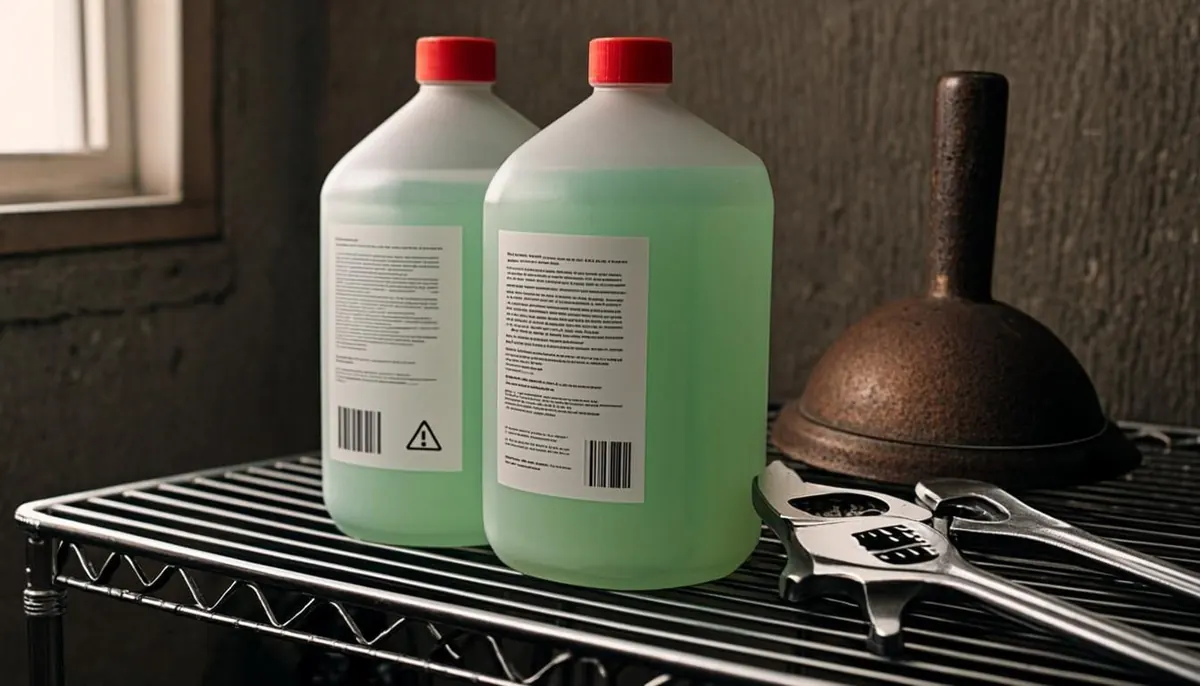
Why do plumbers flinch when you mention the bottle of gel drain cleaner? Because that bottle works by generating heat strong enough to soften PVC, corrode older metal pipes and weld hair clogs into dense, chemical-soaked masses that are harder and more expensive to clear. It usually fails the clog it was bought for and quietly taxes the pipe it sat in.
Three Ways the Bottle Backfires
1. Heat that attacks the pipe, not just the clog
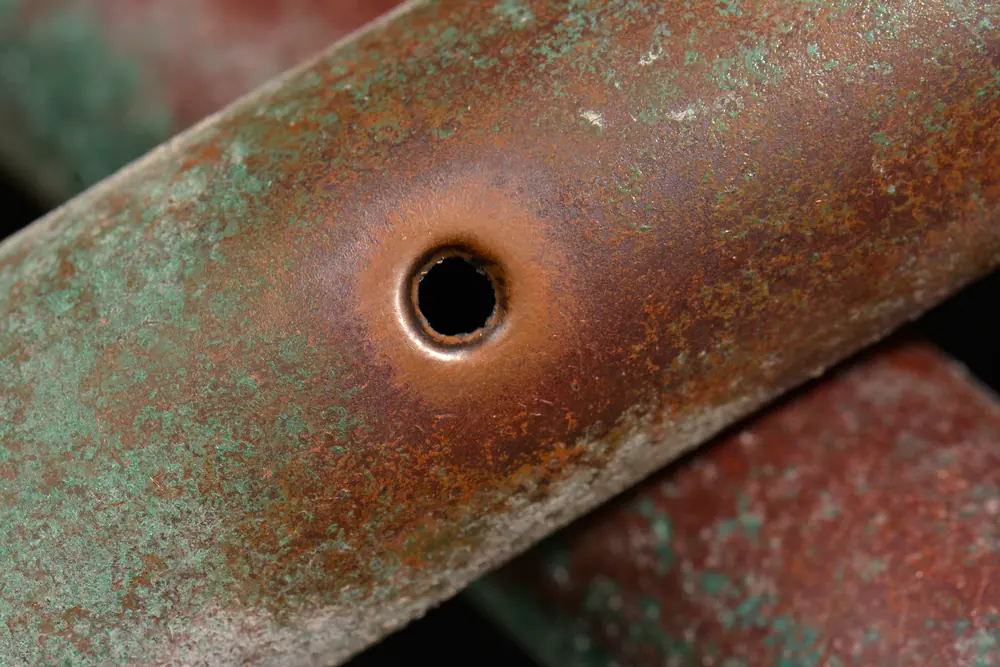
Caustic formulas (the gel and crystal products) react with water and organic matter and release significant heat in the process. PVC softens as temperatures climb; older metal lines thin where corrosion has already been at work. A single application rarely destroys a pipe outright. The pattern is cumulative: the drain that gets a bottle every quarter is measurably weaker at year five, and we see the results every week.
2. The clog it leaves behind
Chemical openers punch a pinhole through the blockage or do not reach it at all, leaving a chemically saturated, compacted mass that grips the pipe walls. The drain runs “better” for a week, then returns worse, now with a clog that cables struggle to grip and that splashes caustic back at whoever clears it. That last part is not hypothetical; it is a safety issue for the next set of hands in that drain, including yours.
3. What it does to traps, finishes and warranties
Chrome trap finishes dull, plastic components embrittle, and standing chemicals complicate every professional visit that follows. Manufacturers of disposals and some fixture systems also call out chemical damage in warranty exclusions, which turns a $12 bottle into a quiet deductible.
What Actually Clears a Clog Safely
- Hot water and dish soap for grease-film slowdowns in kitchen lines: gentle, repeatable, occasionally sufficient.
- A sink plunger on fixture clogs with the overflow sealed: mechanical pressure, zero chemistry.
- A hand auger for hair clogs within arm’s reach of the fixture: cheap tool, real fix.
- Professional machines for anything beyond that: cable machines matched to pipe size, and hydro jetting when the walls need scouring, not just the center punched.
Safer Habits That Keep Drains Clear
Most clogs are invited, and the invitations are easy to revoke. In kitchens, wipe greasy pans with a paper towel before rinsing, run cold water during disposal use so fats stay solid and move, and keep coffee grounds and starchy scraps out entirely. In bathrooms, a hair catcher in the shower drain costs less than one service call and catches the cause before it compounds. Monthly, run hot water down kitchen drains for a minute to move lingering residue. Quarterly, fill unused fixtures and floor drains to keep every trap sealed against both clogs and odors. None of this is glamorous; all of it is cheaper than the alternative, and it keeps the pipes you have in the condition that makes repairs, when they eventually come, small ones.
When the Recurring Clog Is a Message
A drain that needs rescuing every few weeks is not a chemical-dosage problem; it is a pipe with a story: roots at a joint, scale narrowing the bore, a belly holding water, or a venting fault. That is the moment for a camera look instead of another bottle. Our drain cleaning service pairs mechanical clearing with honest diagnosis, and recurring clogs get the camera at no charge so the real cause gets named. Clear the cause once, and the bottle retires to the garage shelf where it belongs.